
Rethinking Waste Reduction: Food Recovery Hierarchy
Food waste is omnipresent and oftentimes seems unavoidable. While it’s common to feel stripped of your agency, there certainly tangible steps you can take to reduce personal food waste and impact the food system using consumer power. Florida’s Food Waste Prevention Week serves the mission of inspiring behavioral change at an individual and community level to reduce food waste within our homes, at our workplaces, and beyond. In alignment with these ideals, this blog is aimed at taking a dive into the EPA’s Food Recovery Hierarchy and its strategies for minimizing food waste at the different stages of food production, distribution, and consumption.

The EPA’s Food Recovery Hierarchy is an overarching framework that helps to prioritize organization level action to minimize food waste. The goal is systemic change, so the majority of the emphasis falls upon industry, business, and bigger actors, but the same principles can be applied on an individual level. Food waste is a well identified problem, now here’s how we can take action:
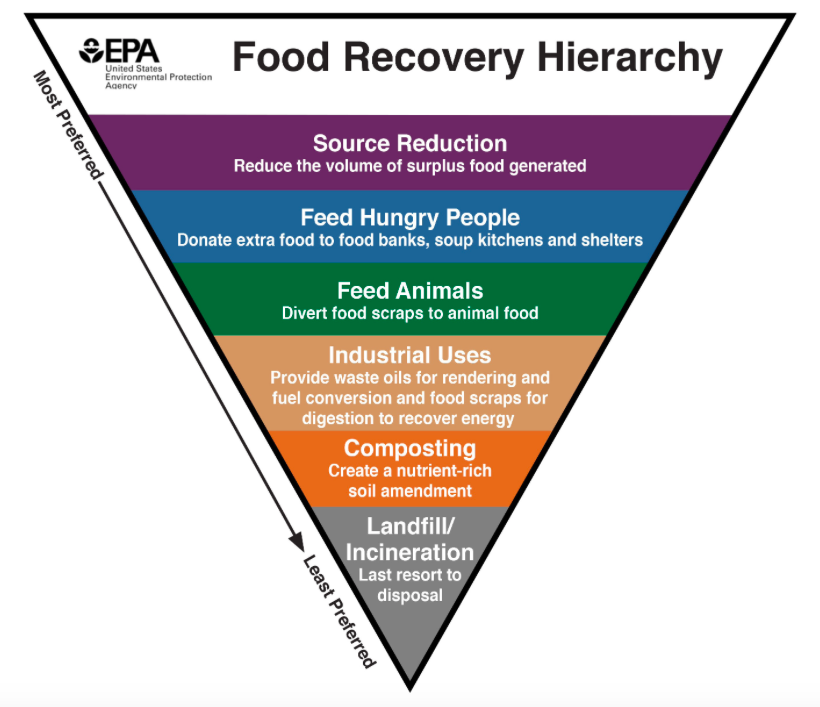
Source Reduction
Nestled at the top of the tier is source reduction — meaning simply reducing the quantity of food we produce and waste. Annually, Americans discard 62.5 million tons of food constituting about $165 million dollars of waste.
As individuals, we have agency in determining the conditions of the market. If we only buy the amount of food we need — and also become less discriminatory against less than perfect produce — we can reorient the food system to be less wasteful and more intentional in the volumes it produces.
Conducting a waste audit in which you are intentional about recording all that is wasted within a certain time period (1 week is recommended) can be a great way to analyze the sources of your waste and then take directed action from there. By understanding how, when, and what you waste, you can make a more concerted effort to cut down in these areas.
Feed Hungry People
In an intuitive, and self explanatory step, rather than throwing it away, superfluous food can serve another purpose: feeding the hungry.
This tier is where Transition Sarasota comes into play. In Florida we waste about 3 million tons of food each year, while 1 in 5 of our residents remain without access to food. Coupling over production of food with rampant hunger is the most logical solution in combating food waste and achieving equity. The question is, where can it be recovered, and then how do we connect the food with people?
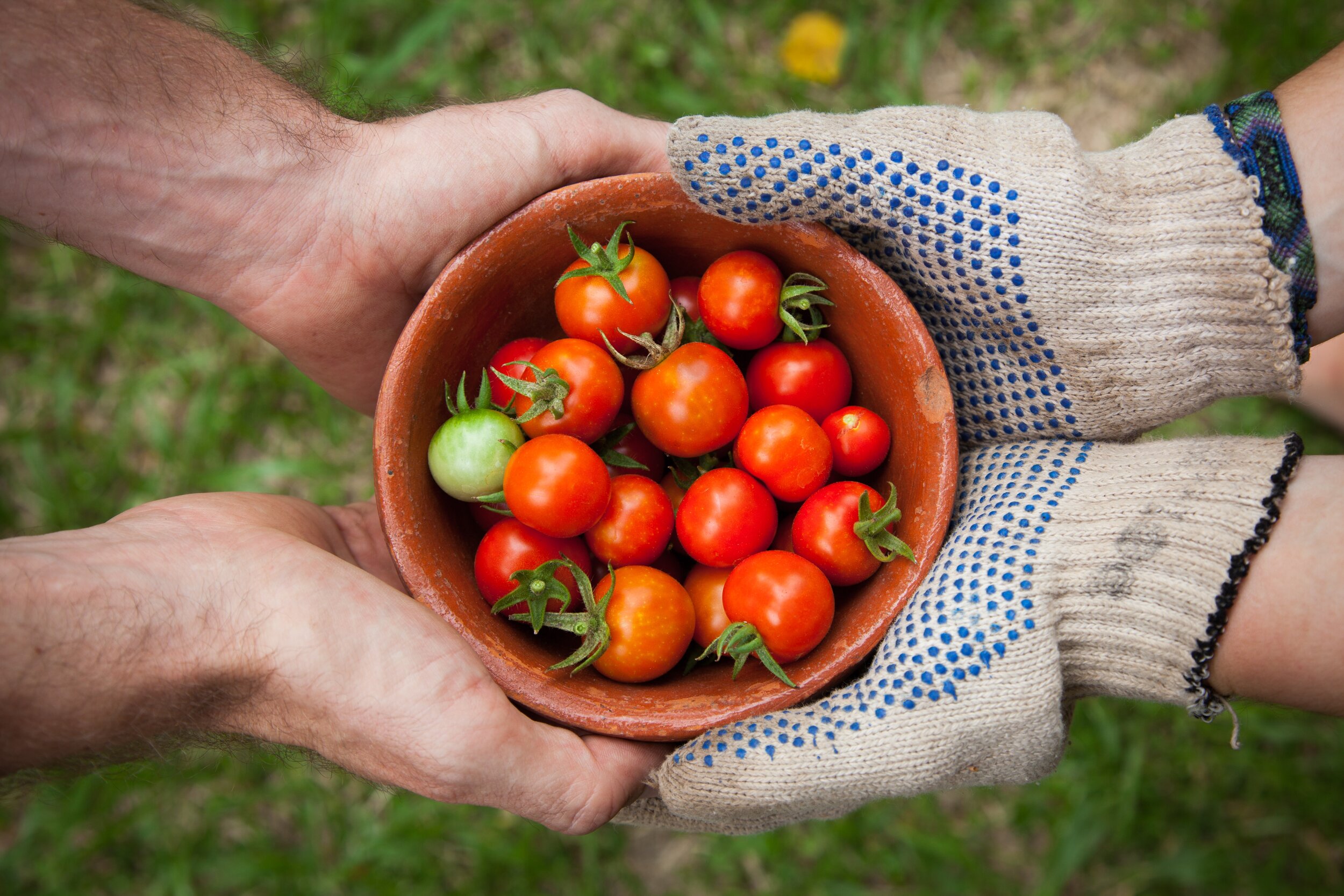
A variety of strategies have been employed to feed hungry people. At Transition we focus on gleaning, or harvesting surplus produce from the source itself. Whether that be local farms in our Suncoast Gleaning project or from fruit trees as part of our Fruit Rescue program, we then deliver our yield to local food banks and food pantries. But feeding hungry people doesn’t stop there. Other efforts to minimize food waste while feeding hungry people include redistribution of catered offerings from events, free and reduced meals at the closing time of restaurants, and repurposing unused and soon to expire perishables into other edible formats through baking, canning, and other forms of preservation.
Feed Animals
If not to feed hungry people, the next best alternative is to use superfluous food to feed animals. The amount of agricultural land used for producing grain and otherwise sustaining livestock is staggering. By diverting human food waste to take care of these needs, we decrease our carbon footprint by minimizing the amount of energy that must be put into sustaining animal populations. A shift in industry such that we look at our own excess grains rather than ones specific to animals as a means of feeding them helps double down on food waste and ensure every being is getting the nutrients they need.
On a smaller scale, giving food scraps to pets can be an effective way to use up leftovers and provide a nutritional boost to their diets. Make sure you consult with a veterinarian or other animal specialist before trying out new foods and always start in moderation.
Industrial Use
Aside from fueling bodies, food can also serve as fuel for industrial use by turning the chemical energy stored in the carbon chains of our food into mechanical and electrical energy to propel our cars and power our lights.
Fats, oils, and grease from industrial facilities can be rendered into different household products or utilized as biofuels. Similarly, normal food scraps that accumulate en masse can be repurposed through anaerobic digestion and broken down into a sludgy material to create biogas — which can act as a source of electricity — and nutrient rich soil perfect for restarting the cycle of food production.
Composting
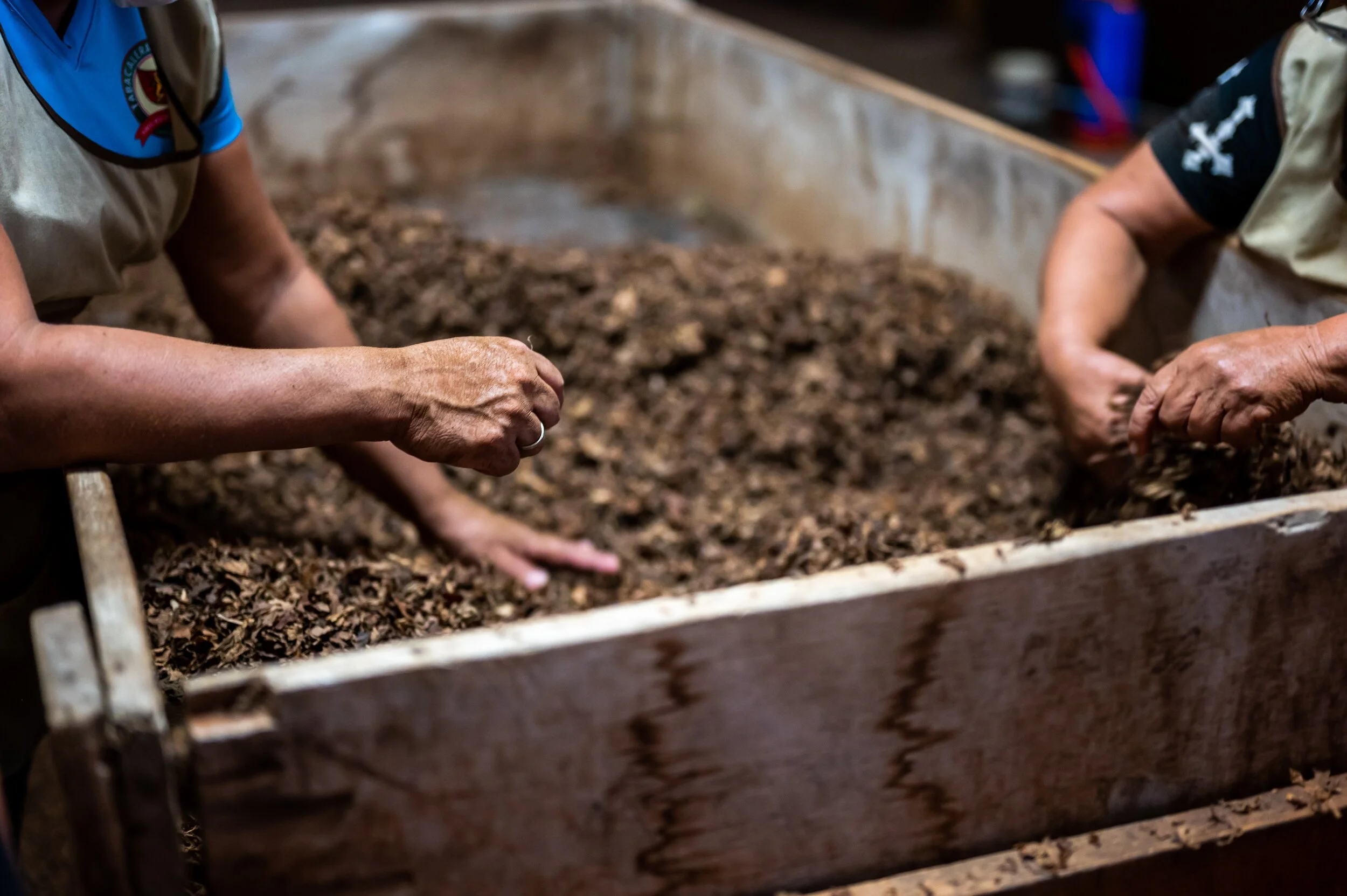
Even after meticulously curbing your consumption and minimizing personal food waste, there are bound to be some inedible food fragments that remain. This is where compost comes into play as a last ditch effort to reinforce the nutrient cycle and feed the soil.
If you’re interested in starting up your own compost pile, check out Sunshine Community Compost. If you’re deterred by smell and the risk of critters, but still want to do your part in minimizing greenhouse gas emissions, consider composting with local soil makers through MakeSoil.org.
Landfill
Food that has made it through the funnel of waste diversion to this point is then deposited in landfills. In this setting, food decomposes without the presence of oxygen and releases methane — a greenhouse gas four times as potent as carbon dioxide. Rather than having the nutrients stored in our food return back to the earth in the normal cycling pathways it can leach out in troubling ways causing algal blooms in our surface waters or compromising potable groundwater. Any way by which we can divert food from landfills is essential in the larger fight against climate change and environmental degradation.