
What it Means to Glean: The History and Future of Gleaning
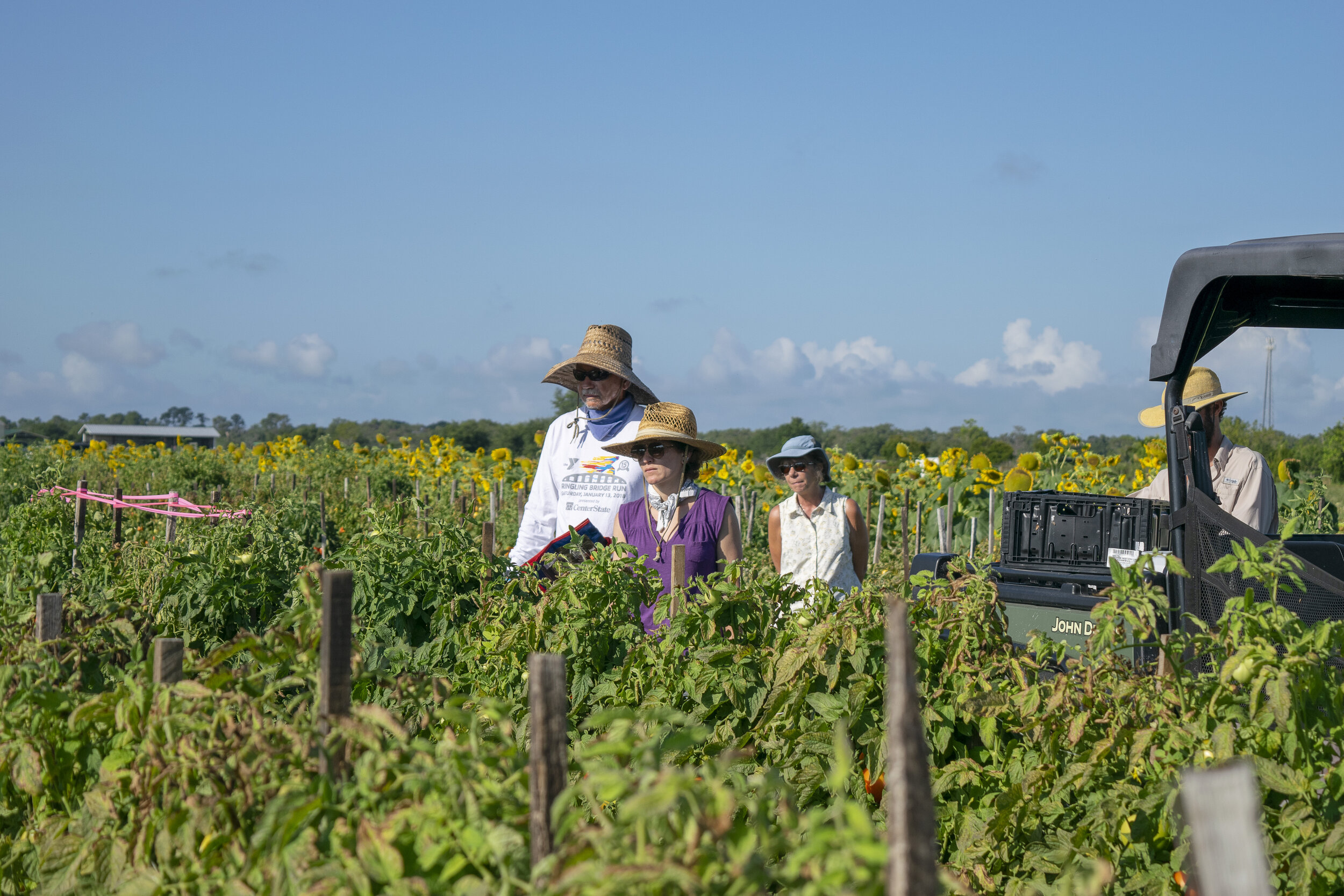
Gleaning is a well established agricultural practice rooted in the ideas of grace and reciprocity. Dating back to biblical times, gleaning has a long history of varied practices and motivations, while retaining a few key principles — so let’s take a look at what it means to glean.
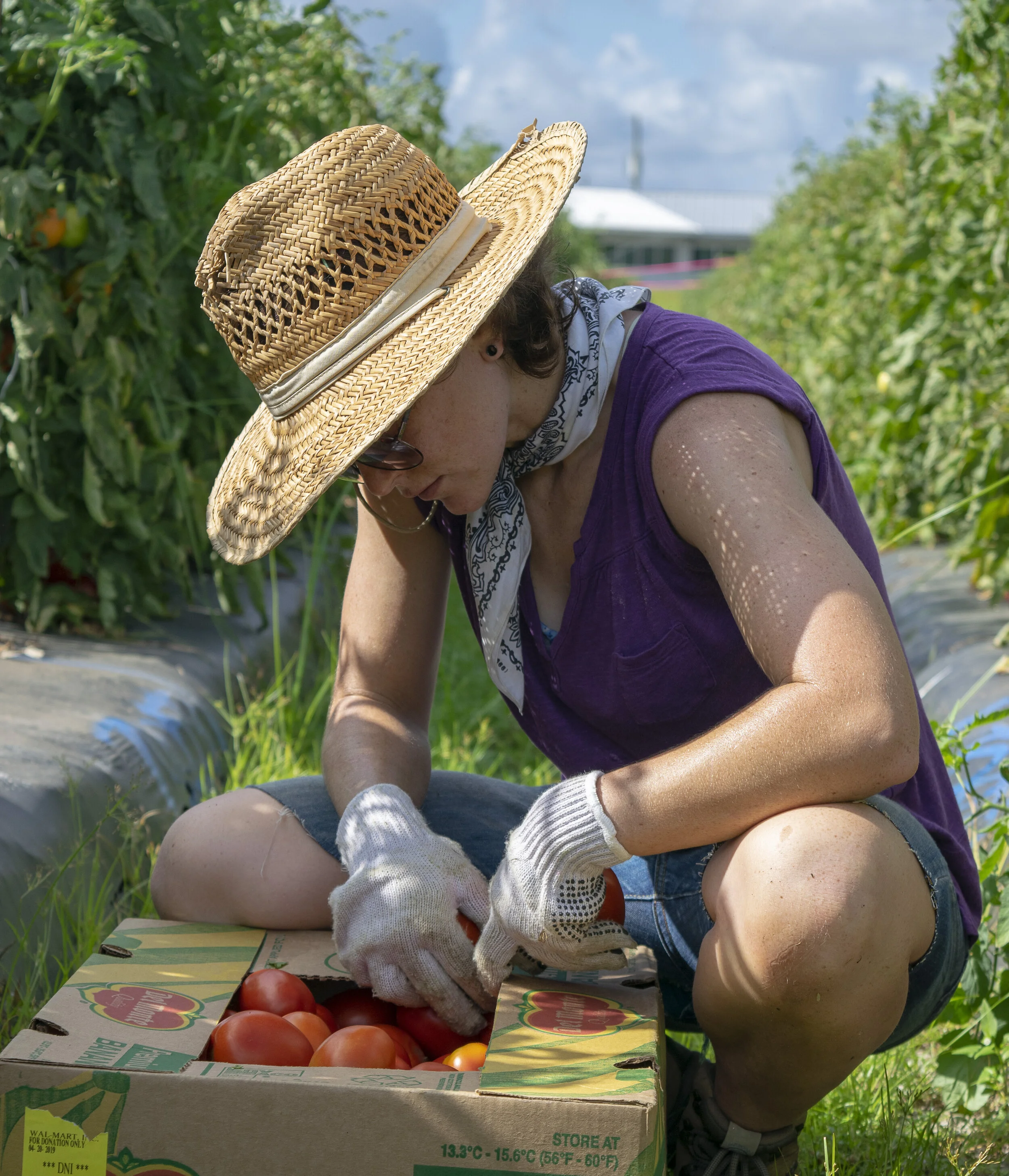
Simply put, gleaning is the harvesting of surplus foods that would otherwise waste away in the fields. It is always on pre-harvested crops, merely gleaning the residual produce or grains after the proprietor has collected the primary yield.
History of Gleaning
In the past, this took the form of children, women, the elderly, and the poor entering the fields and gathering waste in the form of grain cast aside, vegetables missed in the ground, or fruit left on the plant. At Transition, we practice gleaning using volunteers to amass a large harvest from rows of unutilized crops or unpicked fruit trees, then redistributing it to those in need in the Sarasota/Manatee community.
Though the concept of gleaning may seem new and novel, it was common practice in ancient societies and is well embedded in the Judeo-Christian faith. In fact, there are references to God’s mandate to permit and promote gleaning in the Old Testament: “When you reap the harvest of your land, you shall not reap to the very edges of your field, or gather the gleanings of your harvest.You shall not strip your vineyard bare, or gather the fallen grapes of your vineyard; you shall leave them for the poor and the alien” (Leviticus). In Deuteronomy, full portions of harvest were to be left for others if forgotten at the end of the day: “When you reap your harvest in your field and have forgotten a sheaf in the field, you shall not go back to get it; it shall be for the alien, for the orphan, and for the widow”.
From a systems perspective, gleaning was a form of social security or welfare, greasing the wheels for community advancement by reducing friction within society. In all, gleaning was an effective model of redistribution and reimagination of waste, with individuals in need collecting what was unproductive for farmers to sort through themselves. Yet the practice fizzled out due to industrialization and increased sentiments of meritocracy, possession, and competition.
By the mid-19th century, gleaning was hardly in practice. Technologies such as the combine streamlined harvest and there was no longer much for people to pick through by hand. Individuals became more isolated in their growing sense of ownership, no longer inviting others on to their land. Instead, anyone who was to glean would be greeted as a trespasser pillaging the fields of another. For even though it was waste, it was theirs. Overall the agricultural industry believed itself to be rich enough to throw efficiency and compassion to the wind casting aside gleaning and other sustainable practices for Big Ag.
Even as gleaning petered off worldwide, we can still see some nods to the practice on a smaller scale. In Steinbeck’s Tortilla Flats, Señora Cortez and her children subsist on her annual gleaned bean harvest. The implicit regulations on gleaning also became much more stringent. In East Africa, only children are allowed to glean, collecting spilled coffee beans and picking over maize cobs. Gleaning has also taken on new forms. Fuel gleaning has become increasingly popular with shortages and rising prices. Frank McCourt’s Angela’s Ashes chronicles how you can heat your home on the ashes and leftover coal pieces of others. But the biggest change may come in terms of motivation; from the duty to give to the desire to redistribute.
In modern times (amidst our coupled hunger and waste pandemics), it seems the concept of gleaning can be extended to most food repurposing projects. Waste recovery by binners, trash divers, and those looking to redistribute food from restaurants at the day’s end may all be considered under the umbrella of “gleaning”. There also seems to be a bigger emphasis on the perceived quality of produce, revaluating “damaged” produce and that which is rejected based on today’s supermarket standards and putting it to good use. With increased problem recognition and an obvious solution, gleaning was picked up by food banks nationwide in the 1980s.
Yet gleaning may have an even bigger rebound on the horizon. Two conditions may strengthen our dependence on gleaning; the intensification of climate change and the depletion of finite resources used to drive agriculture technologies may cause a return to human-handed harvest.
Overall, gleaning is an essential tool we are beginning to relearn and reimagine in the practice of humanity and in combating global food and resource shortages.
Transition’s Take: The Suncoast Gleaning Project
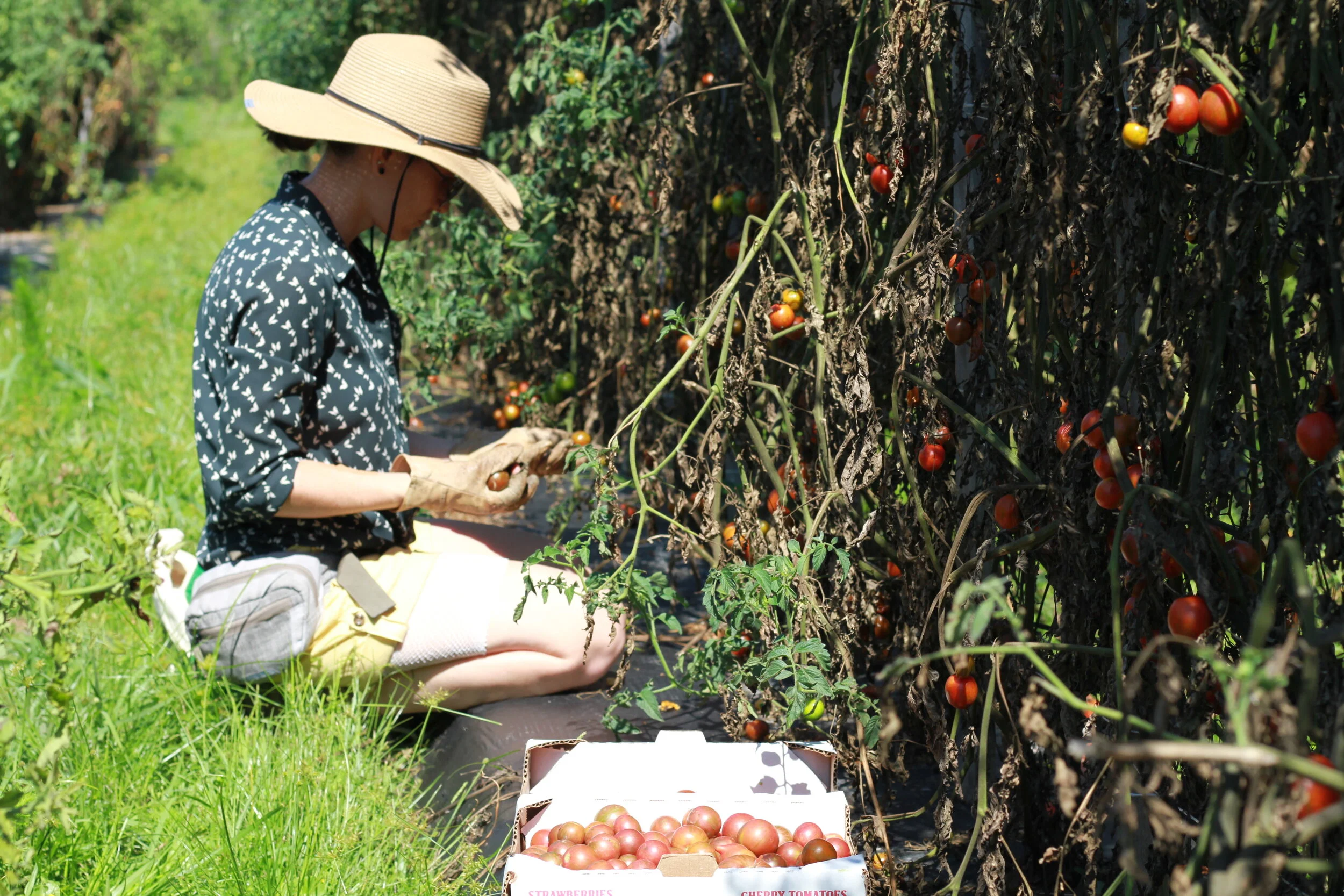
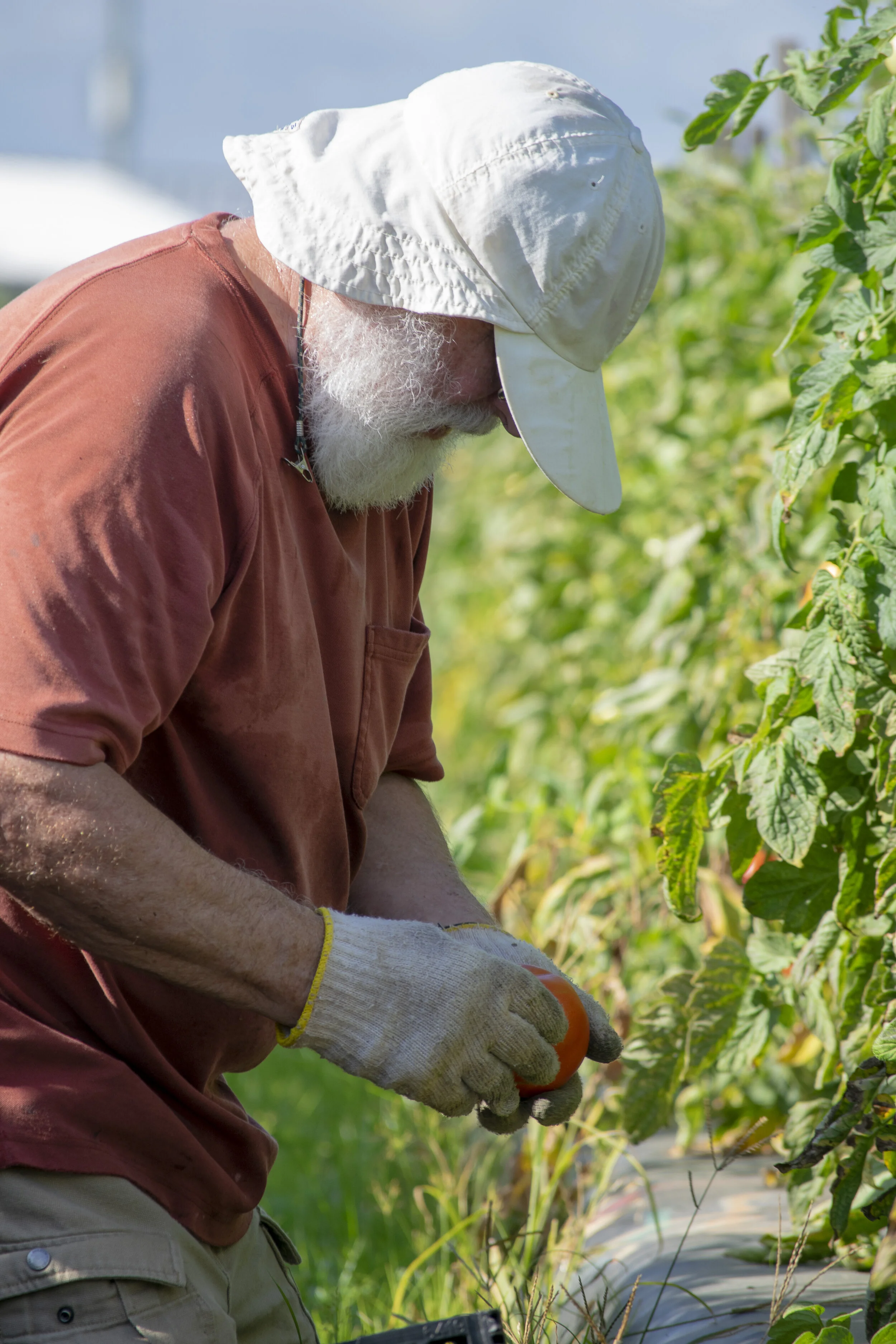
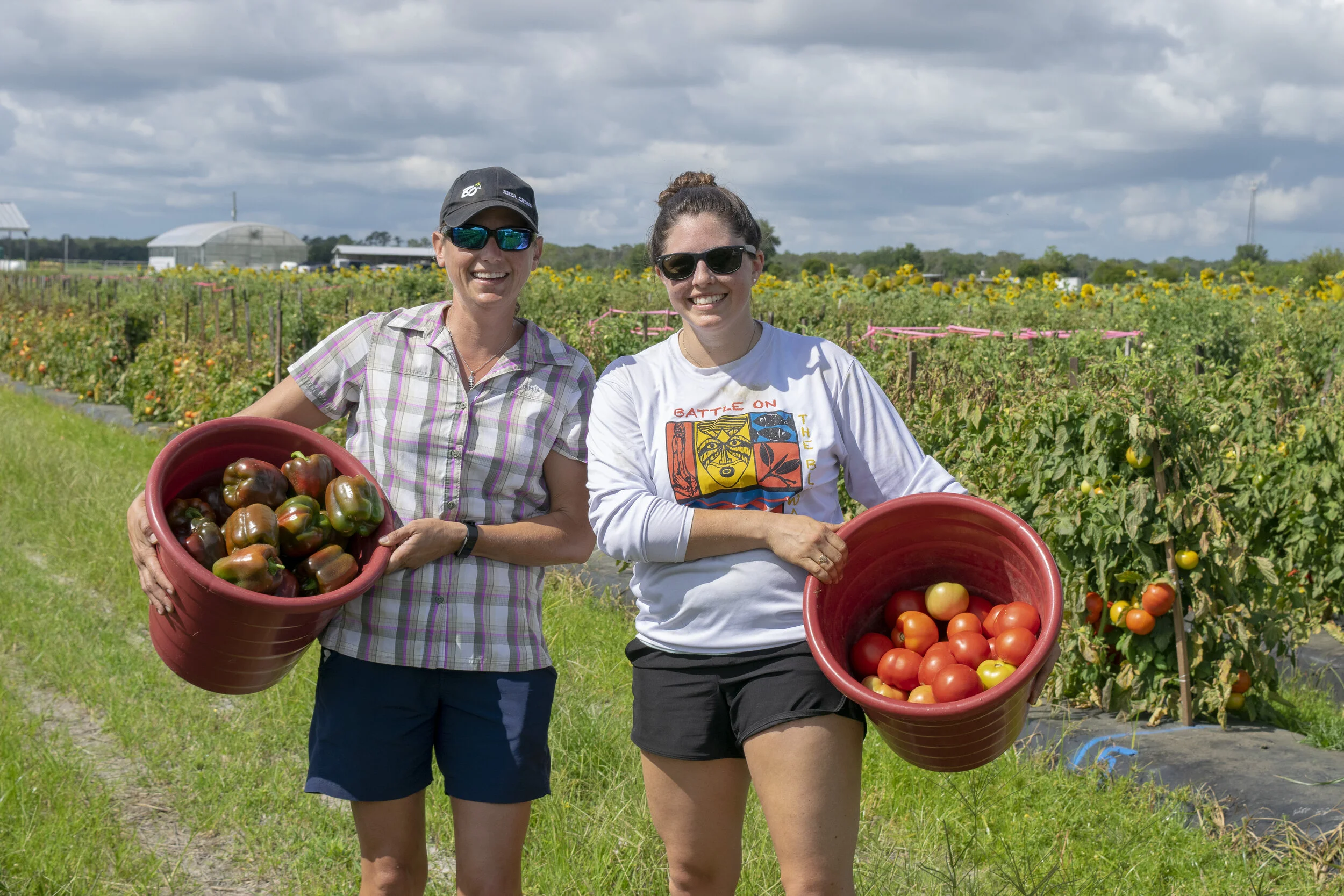
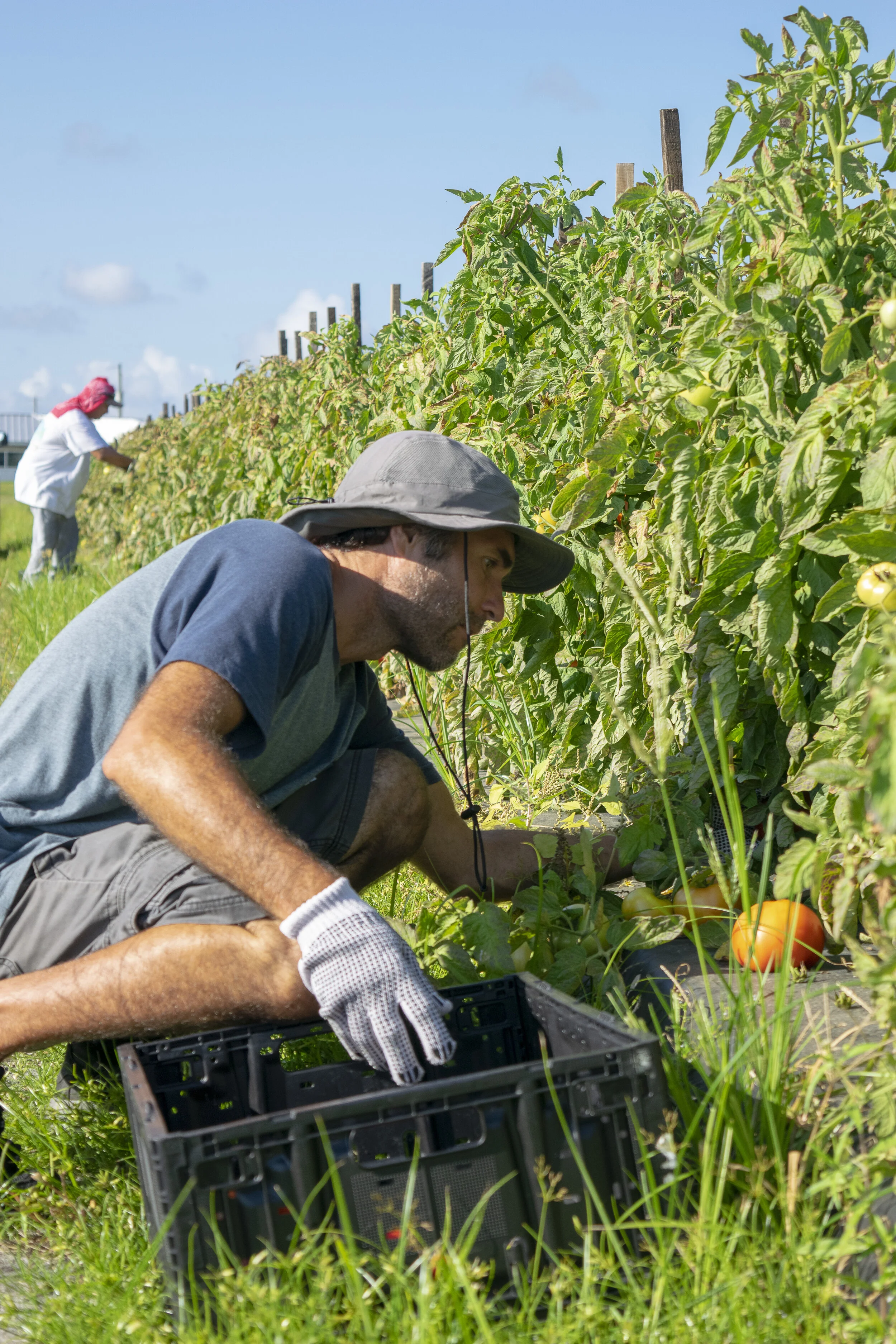
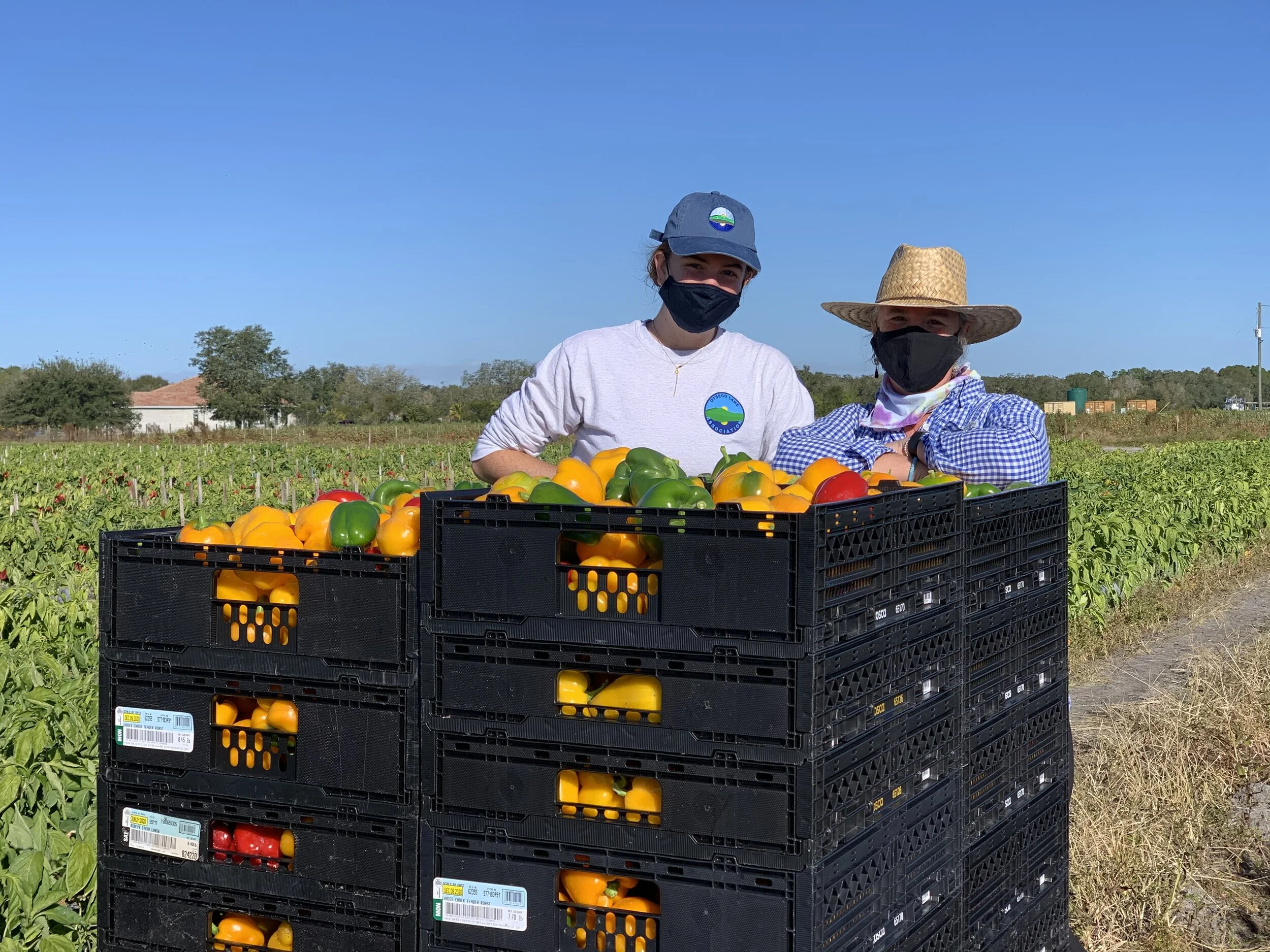
Transition acts as the middleman connecting surplus food to hungry individuals. Through partnerships with local farms, we are notified when rows of crops have been harvested and are ready to be gleaned. We then enlist a group of volunteers to work the fields (taking some for their own homes) and the crop is then transported to a food bank or other facilities for distribution.
Transition’s Suncoast Gleaning Project is a win-win-win-WIN.
The food insecure win with access to quality produce free of charge. Farmers win with tax deductions and a no-cost contribution to those in need. Volunteers win with the reward of making a difference. And everyone WINS because waste is minimized and our community is strengthened.
Does gleaning sound like something you’re interested in? Come volunteer with us, or if unable to devote your time, consider making a donation to our efforts.