
Black History Spotlight: George Washington Carver
Often omitted from historical conversations, African diaspora have had a monumental impact on the advancement of the United States as the backbones of American capitalism as well as the artists, writers, inventors, philosophers, and others who helped shape American thought and culture. This series aims to highlight Black excellence, ingenuity, and innovation in the world of agriculture and food security. Henry Blair, George Washington Carver, and Fannie Lou Hammer were all vanguards in food production and distribution, laying important groundwork for the food system we all enjoy today.
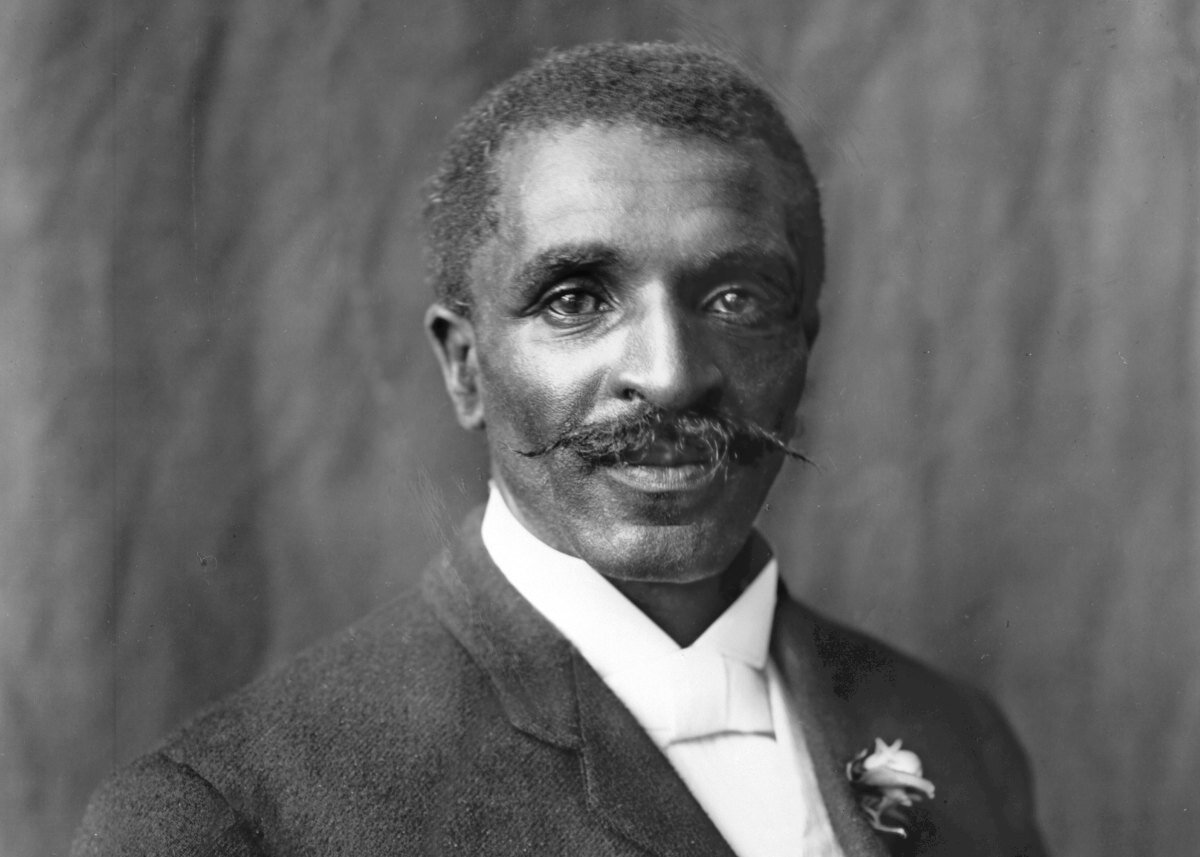
George Washington Carver: “The Plant Doctor” and “The Peanut Man”
(1864- 1943)
One of the best known — and most admired —Black agricultural innovators was George Washington Carver. Celebrated as “The Plant Doctor” and “The Peanut Man”, Carver had a lasting impact on contemporary farming practices making tremendous contributions to the understanding of soil health and conservation.
Born into slavery in 1864, Carver had a tumultuous early childhood. As an infant, he, his mother, and his sister were kidnapped from Moses Carver’s 240-acre farm by slave raiders who sold them. Moses Carver was able to track down and buy back George Carver at the price of Moses’s best horse.
Moses Carver and his wife, Susan, would go on to treat George and his brother, James, as their own — even teaching them to read and write. While James had more of an aptitude for labor and joined Moses in the fields, George was more frail and spent his time helping Susan with domestic chores, gardening, and learning simple herbal remedies. From this foundation, Carver went on to explore the world of botany experimenting with natural pesticides, fungicides, and properties of soil health.
At around 11 years of age, Carver left Moses’s farm to study at a nearby school. Discontent with that experience, Carver took on a more nomadic lifestyle, roaming various Midwest states surviving off his domestic skills — taking on odd jobs to subsist — and determined to receive an education.
Carver graduated from high school and was accepted into all-White Highland College with a full scholarship but was then rejected upon learning of his race. A few years later, thanks to the encouragement of a White couple in Kansas, the Milhollands, Carver enrolled in Simpson College. He started on a teaching track taking art and piano lessons, before his professor, Etta Budd, who was skeptical of a Black man making a living with the arts, encouraged him to return to his original passion: botany.
Carver went on to attend Iowa State Agricultural School and became the first African American to earn a Bachelor of Science degree. His work in soybean fungal infections catapulted him into the world of academia.
Carver stayed at Iowa State Agricultural School for his graduate studies working with famed mycologist L.H. Pammel. Upon earning his Masters in Agriculture, Carver moved on to the Tuskegee Institute per an offer from Booker T. Washington — whose name Carver would later tack onto his own — where he would work for the rest of his life.
Though he often felt bogged down by his teaching duties at the Institute, Carver was able to devote a good amount of time to his research having great influence in the science world and within the Southern community.
Tuskegee University, the private, historically black university in Tuskegee, Alabama.
Carver taught farmers sustainable practices like feeding acorns rather than commercial feed to hogs and using swamp muck, not synthetic fertilizers, to enrich soils. He even pioneered the Jessup wagon, a mobile classroom he could bring into the field to teach others the basics of soil chemistry.
Most notably, Carver coined and built out the importance of crop rotation, noting that years of growing one, primary crop — in this case cotton — left the soil depleted. Carver found this problem could be remedied by cycling through nitrogen-fixing plants like soybeans, other legumes, and sweet potatoes that could restore nutrient levels. This created a surplus of non-cotton crops for which there was little demand. Carver ventured to find different ways to use these yields so they wouldn’t go to waste.
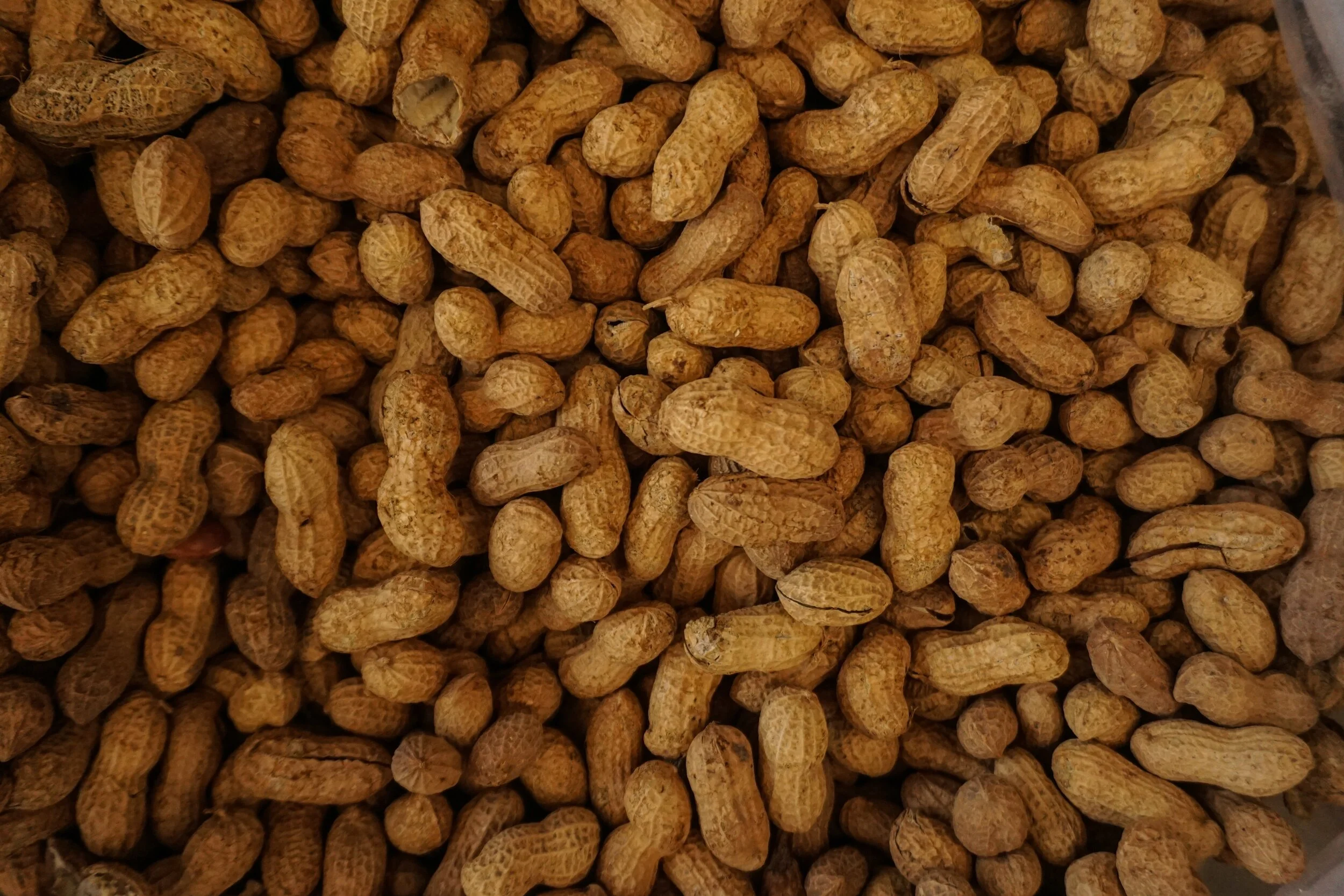
His energy seemed focused on a certain legume in particular: the peanut — where he found most of his success. Carver’s work lead to the development of more than 300 different peanut products including milk, ink, plastics, oils, paper, cosmetics, and wood staines — even venturing to make peanut-based medicines.
“Where there is no vision, there is no hope.”
Carver’s life was dedicated to helping those around him. He worked toward racial equity and lived a life of service enhancing the lives around him. In 1940, he donated his life’s savings to establish the Carver Research Foundation at Tuskegee to keep his agricultural research alive. Posthumously, Carver was inducted into the National Inventors Hall of Fame and President Franklin D. Roosevelt ordered the erection of a monument in his honor — only ever granted to presidents George Washington and Abraham Lincoln.
His legacy lives on in our understanding of soil preservation and his dedication to finding use for what others considered waste. Carver embodied sustainability long before it was vogue and took scientific knowledge to the public to change agriculture for the better.
Explore, Learn, and Support Local
Honor Black History Month through (un)learning, self-reflection, and participation on a local level.
Newtown Nation Farmers Market
Dates: Fridays and Saturdays from 10am to 5pm
Location: Dr. Martin Luther King Jr. Park at the corner of Dr. Martin Luther King Jr. Way and Cocoanut Ave.
More about Historical Newtown and Newtown Alive.
Black Owned Restaurants in Sarasota (click)
Black Owned Businesses in Sarasota & Manatee (click)
Explore Local History
View Florida Memory’s Photo Exhibit: Racism and the Struggle for Civil Rights in Florida
Learn More about Sarasota School District’s desegregation