
Why Local?
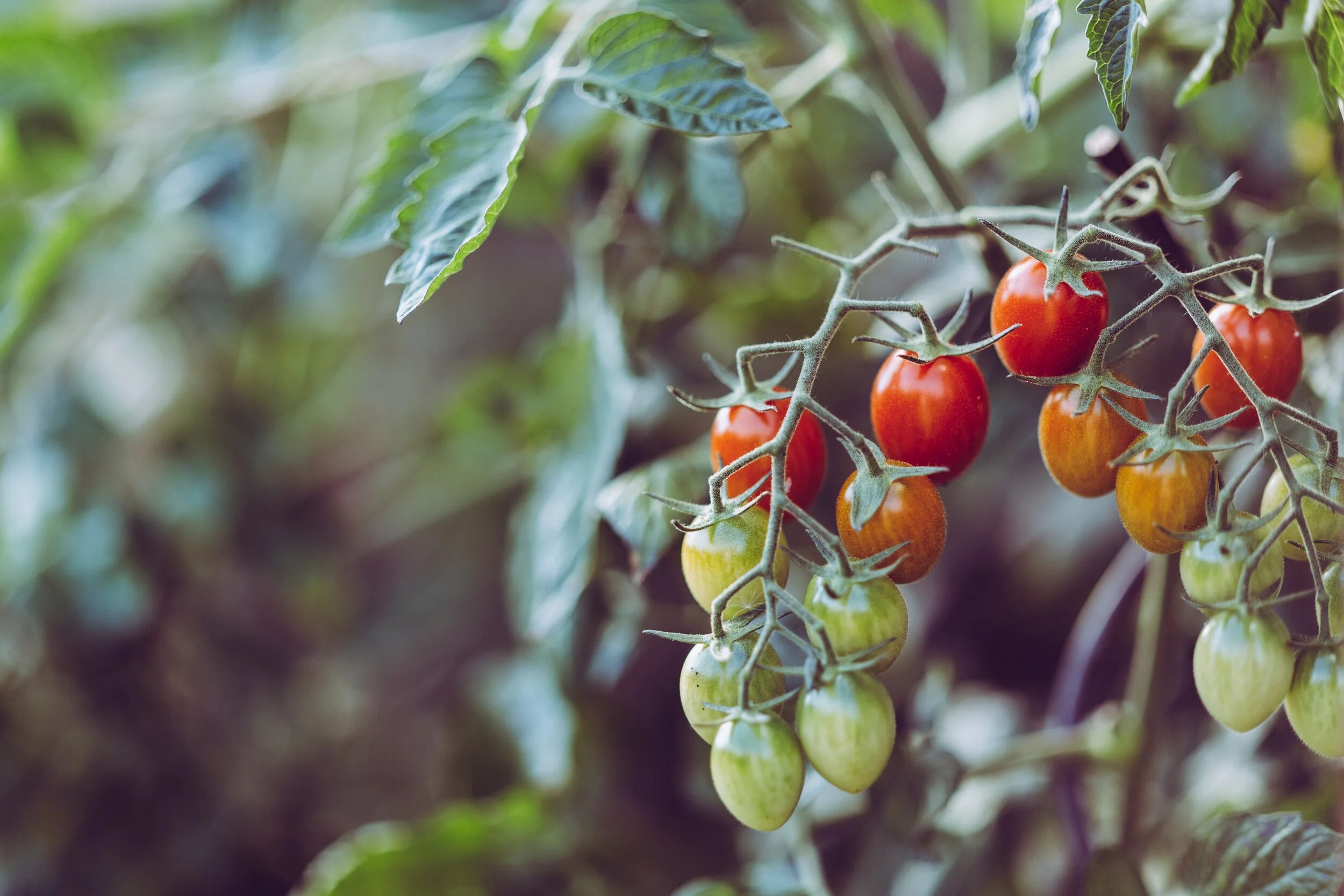
Food is elemental to survival and a source of great pleasure; Food is happiness, delight, recreation, indulgence, and satisfaction. As much as food may occupy our thoughts, there’s a lot we don’t know and maybe don’t think about when it comes to the stages before it reaches our plates. With just a month until our annual Eat Local Week: Dare to Grow, here’s a bit of background on why local :
Build Economy
Buying local food supports your neighbors and stimulates the local economy.
Rather than sending your dollar to be syphoned off so that it goes to reinforce the current distribution of wealth, buying close means your money stays closer to the hands doing the labor.
Defend Your Ethics
Do you want to contribute to Monsanto, the company monopolizing seeds and responsible for producing Agent Orange, DDT, PCBs, and Aspartame? Saying no to Big Ag and turning to your local growers diverts money from these large corporations — who have a history of inflicting tremendous harm. Instead, invest in locals who have your best interest at heart. You can better monitor the ethical practices of farms closer to home, there’s more transparency about working conditions when buying local, and they live in the community so they don’t want to destroy it. Overall, you can feel good about what your money is supporting.
Fight Development
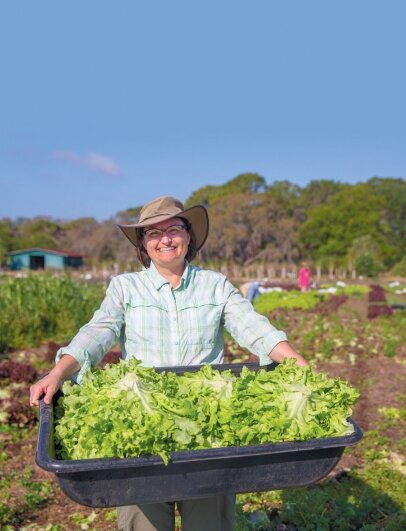
With an estimated 900 new residents entering Florida each day, it’s essential that we conserve undeveloped spaces. Though agricultural land is second to native vegetation, it’s still permeable surface helping to recharge our aquifers, sequester carbon, and provide habitat for local animals. Local farming also tends to be smaller scale farming incorporating more ecologically friendly practices like crop rotation, no till, and rotational grazing for resilient food systems.
Maintain Genetic Diversity
Buying local foods maintains and promotes genetic diversity creating a more robust food system that can endure. Industrial agriculture relies more and more on genetically modified seeds and specified strains reducing genetic diversity and leaving crop species in peril of extinction should a blight develop to which they are defenseless. By using a variety of seeds and preserving genetic diversity we ensure the future of our food system as there will be a variety of genetic material available for evolution.
Monitor Fertilizer and Pesticide Use
Industrial-scale farming tends to depend heavily on fertilizer and pesticides to produce the yields they desire. Local (and typically smaller) farms tend to have better practices for nutrient retention and cycling and warding of pests and disease.
Reduce Excess
Local farmers know the needs of the community, limiting surplus through source reduction.
Shortening the supply chain also reduces the chance of damaged or rotten food further reducing the waste produced.
Minimize Food Miles
Reduced food miles is dually beneficial in terms of environmental and personal health. The longer food has to travel from farm to fork, the worse the quality in terms of nutrition and taste. Moreover, travel adds to the carbon and resource footprint of the foods you consume. Shorter travel distances means less fossil fuel combustion and thus less greenhouse gases (CO2 and CH4) and less pollution (NOx, SOx, photochemical smog, etc.).
Heighten Nutritional Content
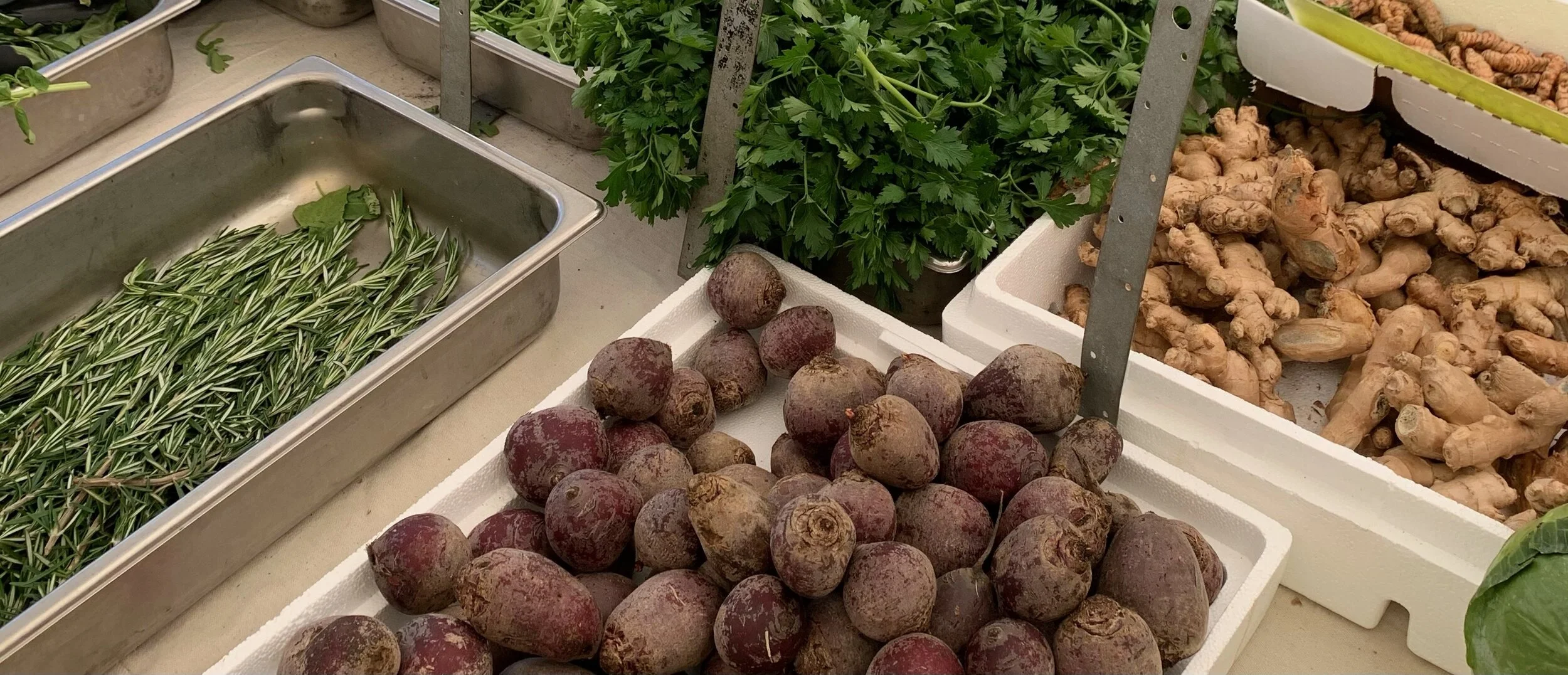
Local sourced food is picked and packaged at peak ripeness — which also happens to be when produce is most nutritious. Within 24 hours of being harvested, fruits and vegetables begin to lose their nutritional value
Revel in Local Taste
Locally grown food indisputable tastes better. Growers tend to be more invested in their crop, and with minimized travel time, they can pick at its prime. Try to tell me a store bought tomato that ripened on it’s 2,000 mile odyssey to reach my local Publix tastes better than that picked by the golden light of the rising sun just a few miles from my house and I’ll either laugh or shudder in disgust. You can even smell the difference.
Protect Against Allergens and Disease
When food travels shorter distances, there is less chance for cross contamination. Local honey also helps build immunity to local and seasonal allergens through microdosing.
Buying locally insulates you from foodborne outbreaks that often develop and fester during industrial processing and delivery.