
Canning Crazed
Caught the canning crazies? February is National Canning Month, so let’s talk about the importance of canning and an opportunity to receive advice from a master canner.
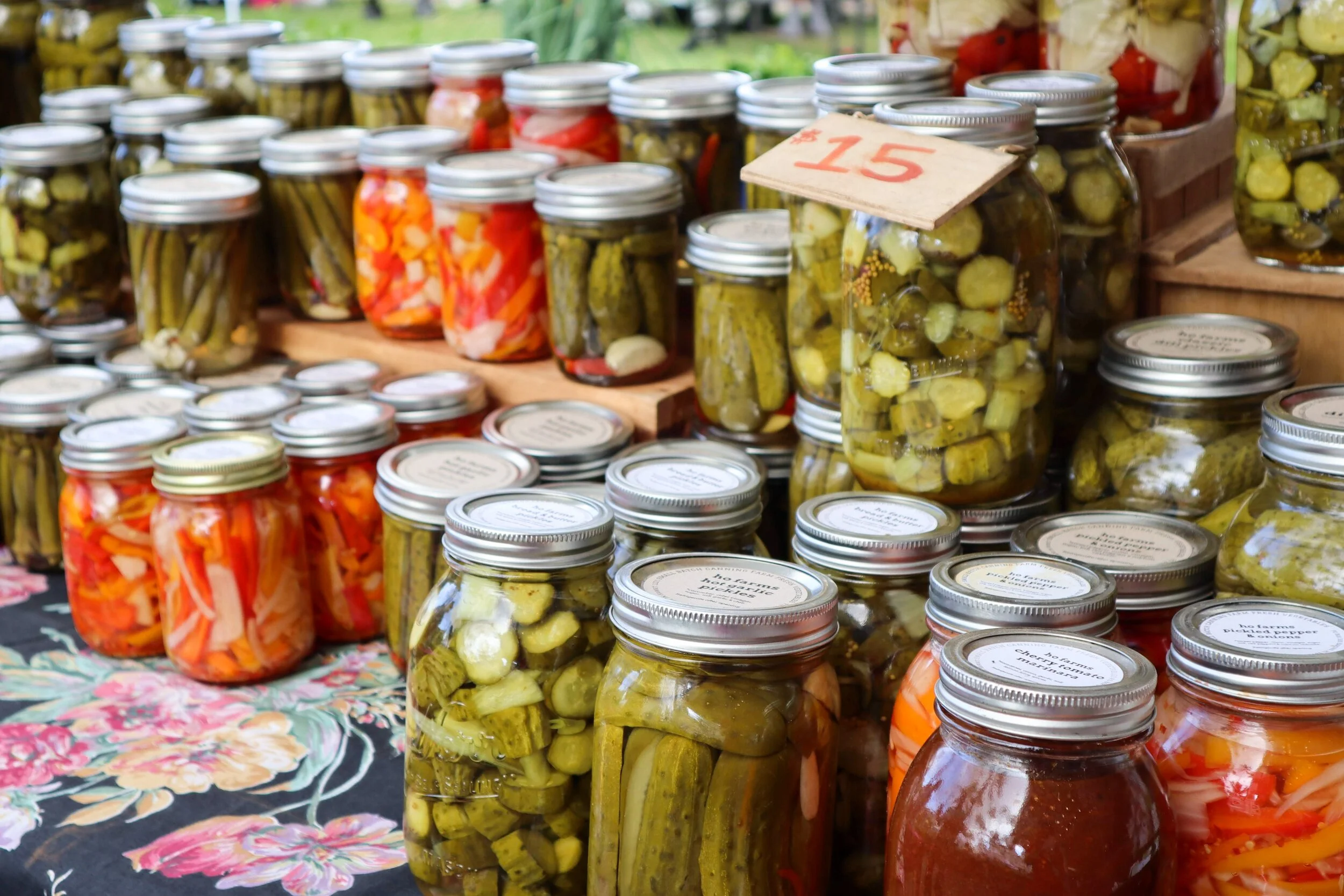
With more time to invest in hobbies due to the Covid lockdown, people nationwide have turned to canning as a rewarding release. It’s even proliferated a national canning shortage. Though many may associate it with life on the frontier, canning is a preservation practice with modern implications for sustainability and minimizing food waste.
What exactly constitutes canning? Canning is the food preservation process by which oxygen is removed from a closed environment to starve microorganisms responsible for food spoilage and foodborne illnesses. Often, canning incorporates a salt or acid to inhibit microbial growth as extra insurance of food safety.
Thanks to our global food system, canning is not as important today in ensuring food access throughout the seasons, but that wasn’t always the case. Food preservation was essential to survival. Without adequate means of preserving food, winters could very well mean starvation. However, canning is a relatively new advancement in the history of food preservation. Drying, fermenting, curing, and even refrigeration all predate canning. It wasn’t until the early 19th Century, after Napoleon proposed a contest searching for a reliable and safe method of food preservation for his touring troops, that a canning process that heated foods in jars was developed. Since then, canning grew in popularity reaching its peak around the industrial revolution and wartimes and has remained popular today.
Today, we no longer have to can to sustain ourselves through winter, but we look to canning as a means of focusing on local food systems and minimizing food waste. Canning is an extension of the same reasons why we buy local —supporting the local economy, minimizing environmental impact, and maximizing quality— ensuring we don’t have to outsource food since there is an abundance already stocked away in our pantries. But the benefits of canning don’t end there.
More reasons to love canning:
It’s most cost-effective to buy produce in-season, so taking the time to store it saves you in the long run. Plus, store bought jams are expensive but easy to replicate and improve upon at home.
Canning locks in peak flavor and nutrients. Rather than combing over produce that has traveled great distances to reach you, losing taste and nutritional content all the while, canning ensures you have the best quality ingredients.
No one likes to waste food. Whether you’re preserving an abundant home harvest or produce purchased elsewhere, canning saves from the pain of wasting and helps lower the food bill.
Canning jars are reusable. Supermarkets are cluttered with plastics and excess packaging so sticking to classic glass jars means far less goes into the landfills.
Little feels better than breaking the seal of one of your canned creations. The personal satisfaction of knowing the labor you put into your food is tremendous. And the taste is unparalleled!
A well stocked pantry of canned goodies means you always have the perfect gift. The recipient is sure to appreciate and relish your gift for the flavor and love canned inside.
Ask the expert!
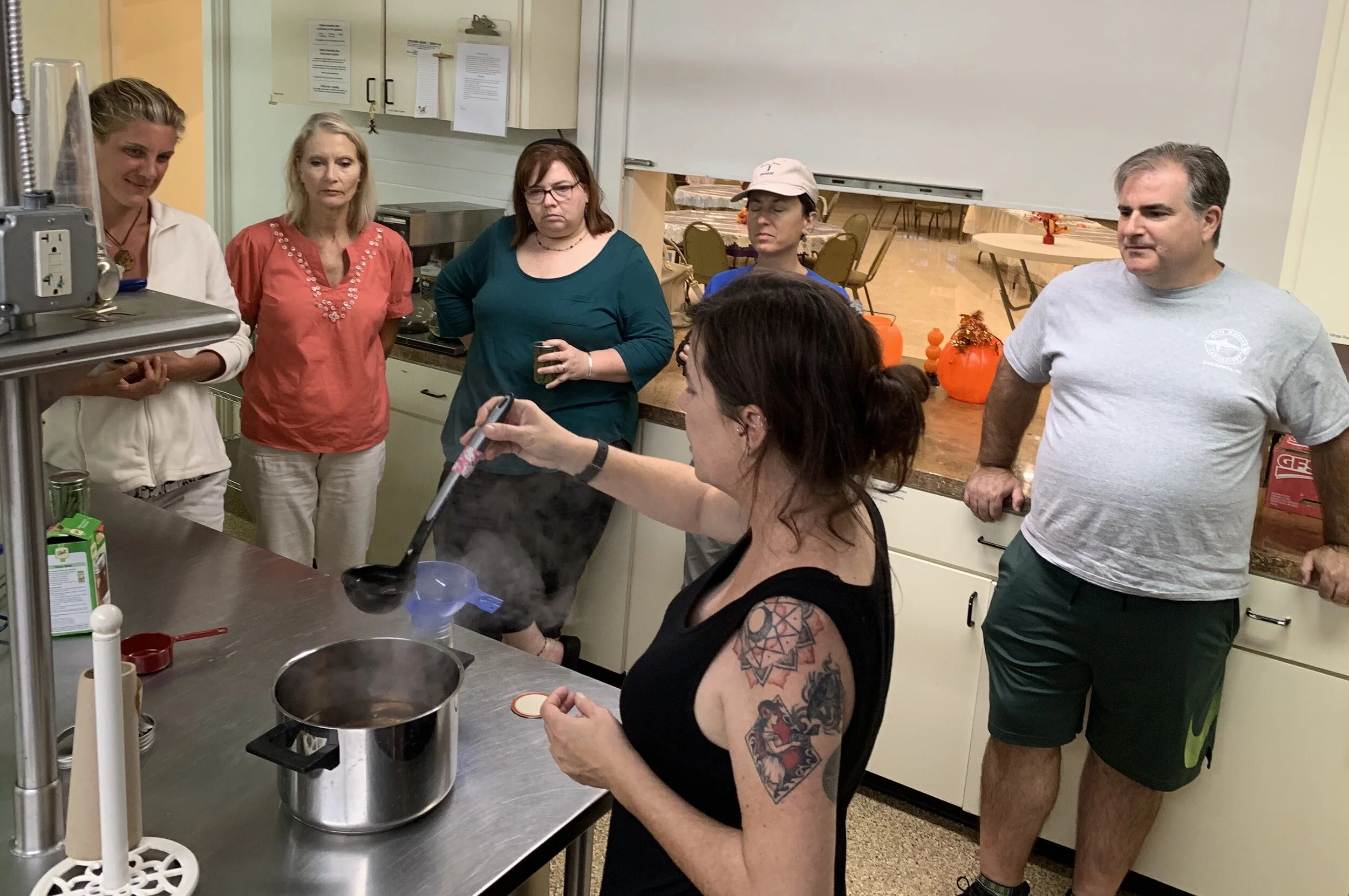
We’re working with Sarasotan and master canner, Lisa, of Sunshine Canning to answer all your canning queries.