
9 Books To Grow Your Green Thumb By
Even if you don’t have a green thumb, the most local foods of all could be only steps away from your kitchen - in your own garden or patio containers. Those who don’t have a natural green thumb can still succeed in growing fresh, delicious produce at home thanks to the dozens of well-written, informative how-to books on the topic. In this round up of gardening books, we’ve done the research for you to find out which books are the best for the area and which books come highly recommended by local food producers and successful backyard gardeners.
We’ve divided the books into three categories: The Florida gardening section is specific to our area. Since our state has such a different climate than the rest of the U.S., state-specific books can be a help to both the beginning and transplanted gardener. The section on urban and small-space gardening focuses on being most efficient with the space you have to plant. These books are applicable whether you have only space for a container garden or if you are trying to get the most out of your entire backyard. The section on community local food initiatives includes books taking gardening past an individual act and toward a movement. People interested in starting community gardens or a local food business will find this section useful.
Florida Gardening
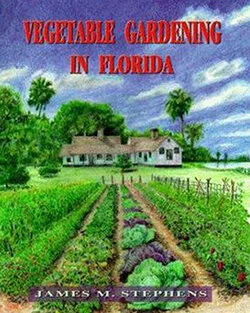
Vegetable Gardening in Florida
James Stephens’ Vegetable Gardening in Florida ($11 online, available at the Institute of Food and Agricultural Sciences and Sarasota County libraries) is indispensable to the new or new-to-Florida gardener. This beginner’s guide to vegetable gardening in the Florida climate describes how to grow abundant vegetables and edible herbs throughout the state. With clear explanations and photos, the book addresses when to plant, pest management, and crop care.
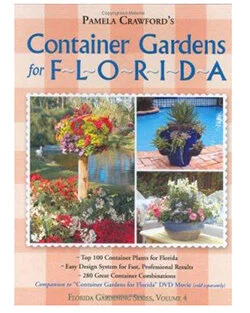
Container Gardens for Florida
Packed with practical information specific to central and south Florida, Pamela Crawford’s Container Gardens for Florida ($40 online, available at Sarasota County libraries) is an exhaustive reference on container gardening. Crawford has walked the walk: in researching the book, she tested over 10,000 plants in hundreds of different containers. In the book, she reports on the most successful combinations. The book covers many aspects of container gardening, including window boxes, wall pots, hanging baskets, and using containers in the landscape. The book also gets technical, describing watering systems, soil specifications, and fertilizer needs.
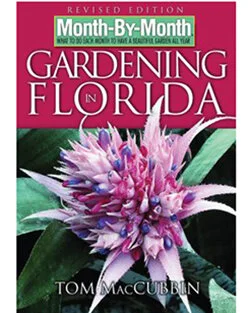
Month by Month Gardening in Florida
For those who live by the calendar, Tom MacCubbin’s Month by Month Gardening in Florida: What to Do Each Month to Have a Beautiful Garden All Year ($21 online, available at Sarasota County libraries) is the perfect gardening book. This book is laid out by type of plant, with chapters on shrubs, palms, vegetables, groundcover, citrus, and more. Within each chapter is a month-by-month overview of the planning, planting, care, watering, fertilizing, and problems that should be dealt with for that particular month. This book is full of photographs and is a great reference for a long-term Florida gardener.
Urban and Small-Space Gardening
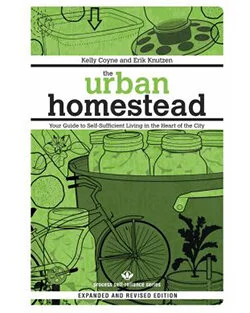
The Urban Homestead
Perfect for those whose growing space is at a premium, The Urban Homestead, ($12 online) by Kelly Coyne and Erik Knutzen, gives practical advice on starting an urban garden. The book includes projects to get started growing vegetables, preserving food, and more. The book also covers homesteading topics and provides resources on self-sufficiency.
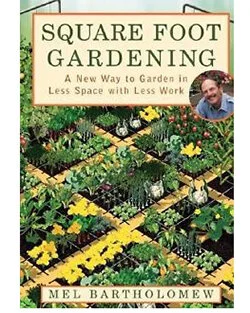
Square Foot Gardening
Square Foot Gardening: A New Way to Garden in Less Space with Less Work, by Mel Bartholomew, ($13 online, available at Sarasota County libraries) is one of the bestselling gardening books ever. Bartholomew created the square foot gardening method, which uses square blocks of space instead of gardening rows, and requires less weeding, thinning, and watering. Appropriate for the beginning gardener and the green-thumbed veteran grower alike, the book has instructions on which types of plants in what quantities to plant in each square-foot section.
How To Grow More Vegetables
How to Grow More Vegetables Than You Ever Thought Possible on Less Land Than You Can Imagine by John Jeavons ($22 online, available from IFAS and Sarasota County libraries) is a revision of a classic organic gardening guide. For guidance growing large or small gardens, this book offers sustainable methods that require very little space. The book features information on harvesting, crop rotation, fertilizing, and composting, and it is focused on creating a high-yield garden.
Community Local Food Initiatives
Local Food: How to Make It Happen in Your Community
Authors Tamzin Pinkerton and Rob Hopkins draw on the experience of the Transition Movement and other local-food initiatives around the world in Local Food: How to Make It Happen in Your Community ($16 online). The book addresses how to connect with others and commit to eating locally. The book explores community gardens, local currencies, Community Supported Agriculture (CSA), and more to help readers move beyond the farmers market to a deeper level of local-food production.
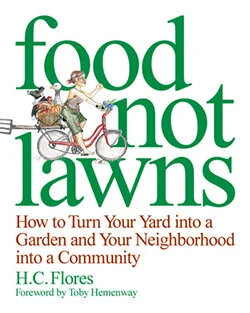
Food Not Lawns
Author Heather Coburn Flores’ Food Not Lawns: How to Turn Your Lawn Into a Garden and Your Neighborhood into a Community ($16 online) is more than just another gardening book: it promotes food activism in your local community. A certified permaculture designer, Flores advocates developing community gardens as a way to create the world you wish to live in. The book presents information on changes both large and small. It includes information on how to select garden sites, saving seeds, composting, and involving children in gardening. Food Not Lawns also presents less mainstream ideas, like dumpster diving, composting human waste, guerilla gardening, and graywater conservation. For gardeners who believe in gardening as a political act and want to build community through growing food, this book will be a delight.
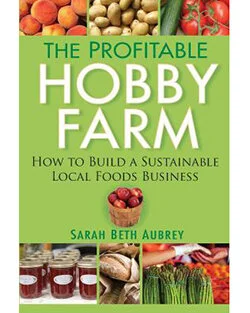
The Profitable Hobby Farm
Sarah Beth Aubrey’s The Profitable Hobby Farm: How to Build a Sustainable Local Food Business ($13 online, available at Sarasota County libraries) is perfect for those interested in turning their farming hobby into a small business. Born into a family of farmers, Aubrey has personal experience in small farms and shares a wealth of information on how to start a local foods business. Topics include strategy, marketing, and money management with an eye toward building an income. The strategies shared are not specific to a single type of production, so this book is as applicable to those selling produce as it is to aspiring beekeepers.
Transition Sarasota is a 501(c)3 nonprofit organization and is part of Transition US. For almost a decade, Transition Sarasota has partnered with farms in Manatee and Sarasota Counties to glean excess produce and donate it to the area food banks. This provides local, nutritious produce to diverse populations, supports local farms with a tax deduction for donated produce, and builds community by uniting volunteers with interest in local, sustainable food.